House Washing Before Painting: Getting Surfaces Ready
Planning an exterior paint project represents one of the most effective ways to protect and revitalize your property. Across Melbourne Bayside, homes are constantly exposed to unique environmental conditions, from persistent marine salt spray coming off Port Phillip Bay to sudden weather shifts and baking summer sun. While selecting premium exterior paints is a natural priority, the ultimate success of your paint job comes down to what happens long before the https://emilianoqlxx058.clearminster.com/posts/pressure-washing-vs-power-washing-what-x27-s-the-difference first brush or roller touches the wall. Professional surface preparation, centred on thorough and methodical exterior cleaning, is the single most critical factor in achieving a durable, showroom-quality finish.
Applying fresh paint over dirty, chalking, or mouldy substrates is a recipe for premature coating failure. Without proper cleaning, paint simply adheres to surface contaminants rather than the substrate itself, leading to peeling, blistering, and bubbling within months. Understanding the nuances of pre-paint washing ensures your investment stands up against the demanding coastal climate for years to come.
Why Pre-Paint Cleaning Is Non-Negotiable in Melbourne Bayside
The picturesque coastal suburbs of Melbourne Bayside—including Brighton, Sandringham, Beaumaris, Black Rock, and Chelsea—offer a stunning coastal lifestyle, but they present severe challenges for building exteriors. Properties along the bay endure high humidity, airborne sea salt particles, prevailing coastal winds, and organic growth such as algae, lichen, and mildew. In addition, fine urban dust and vehicle emissions settle on exterior walls, forming an invisible, greasy film.
If you paint directly over this layer, the paint film cannot form a mechanical or chemical bond with the substrate. In 2026, premium acrylic and elastomeric architectural coatings are engineered to breathe and flex with temperature fluctuations, but their advanced adhesion chemistry requires an entirely sterile, clean, and dry surface. Salt deposits trapped beneath paint are particularly destructive because salt is hygroscopic; it draws atmospheric moisture through the microscopic pores of the new paint film, resulting in rapid delamination, wood rot under timber weatherboards, and efflorescence on rendered masonry.
House Washing vs. Pressure Washing: Choosing the Right Technique
One of the most common misconceptions among property owners is that high-pressure blasting is the only way to get walls clean for paint. In reality, aggressive power washing can cause catastrophic damage to delicate architectural features, particularly the classic timber weatherboards, heritage Victorian details, and modern acrylic renders characteristic of Melbourne Bayside residences.
Proper preparation relies on matching the right technique to the right material. High-force pressure washing has its place on hard, dense surfaces such as unpainted concrete or structural masonry, but exterior house washing prior to painting generally calls for a refined "soft washing" approach. Soft washing pairs specialized, biodegradable cleaning agents with high-volume, low-pressure water streams. The cleaning solution breaks down stubborn organic spores, dissolves greasy grime, and neutralizes salt crystals without forcing high-velocity water behind weatherboard overlaps, around window flashing, or into porous insulation.
When heavy-duty cleaning is warranted—such as removing failing, flaky topcoats on stable timber or stripping away heavy dirt encrustations from exposed brick—controlled pressure cleaning calibrated to precise pressure levels ensures the surface is stripped bare without gouging wood grains or scarring exterior plasterwork.
Key Steps in Pre-Paint Exterior Cleaning
Getting your home's exterior clean enough for a master painter requires a systematic process. The following steps outline an effective washing workflow designed to create an optimal substrate for new paint application:
- Comprehensive Surface Inspection: Identify areas of loose or failing paint, active mould colonies, soft timber rot, damaged caulk, and fragile architectural features before introducing water or detergents.
- Protection of Surrounding Elements: Cover delicate coastal garden plants, seal external electrical sockets, tape off sensitive light fittings, and mask external air conditioning units to protect them from moisture and cleaning agents.
- Application of Targeted Bio-Cleaners: Apply environmentally safe algaecides and surfactants formulated to kill micro-spores embedded deep within the surface pores, ensuring mould does not regrow beneath the new paint film.
- Controlled Low-to-Medium Pressure Rinsing: Thoroughly rinse the exterior with clean water, working systematically from the roofline downward to strip away emulsified dirt, dead organic matter, and saline crusts.
- Full Dry-Out Phase: Allow timber, render, and composite cladding sufficient time to dry thoroughly, monitoring ambient moisture levels before commencing sanding, priming, or coating.
Adequate drying time cannot be overstated. Applying paint over damp timber traps moisture within the grain, which will inevitably vaporize in hot sun and force the new coating off the wall in large blisters. In the variable coastal microclimates of Melbourne Bayside, allowing two to four dry, windy days between thorough washing and paint application is standard practice.
Coordinating a Whole-Property Exterior Clean
When you are gearing up for exterior painting, focusing solely on the walls leaves your investment vulnerable. Melbourne Bayside homes regularly contend with windblown debris and airborne spores circulating across the entire property. Addressing connected surfaces prevents newly washed walls from becoming re-contaminated before or during your paint project.
Coordinating professional roof cleaning alongside your pre-paint wash makes practical sense. Moss, lichen, and black algae build up on terracotta, concrete tile, and Colorbond roofing common throughout Bayside suburbs. If left untreated, the next coastal rainstorm washes live organic spores and dirt straight down onto your newly painted facades, fascia boards, and gutters. Clearing the roof ensures a clean perimeter and prevents unsightly downpipe stains.
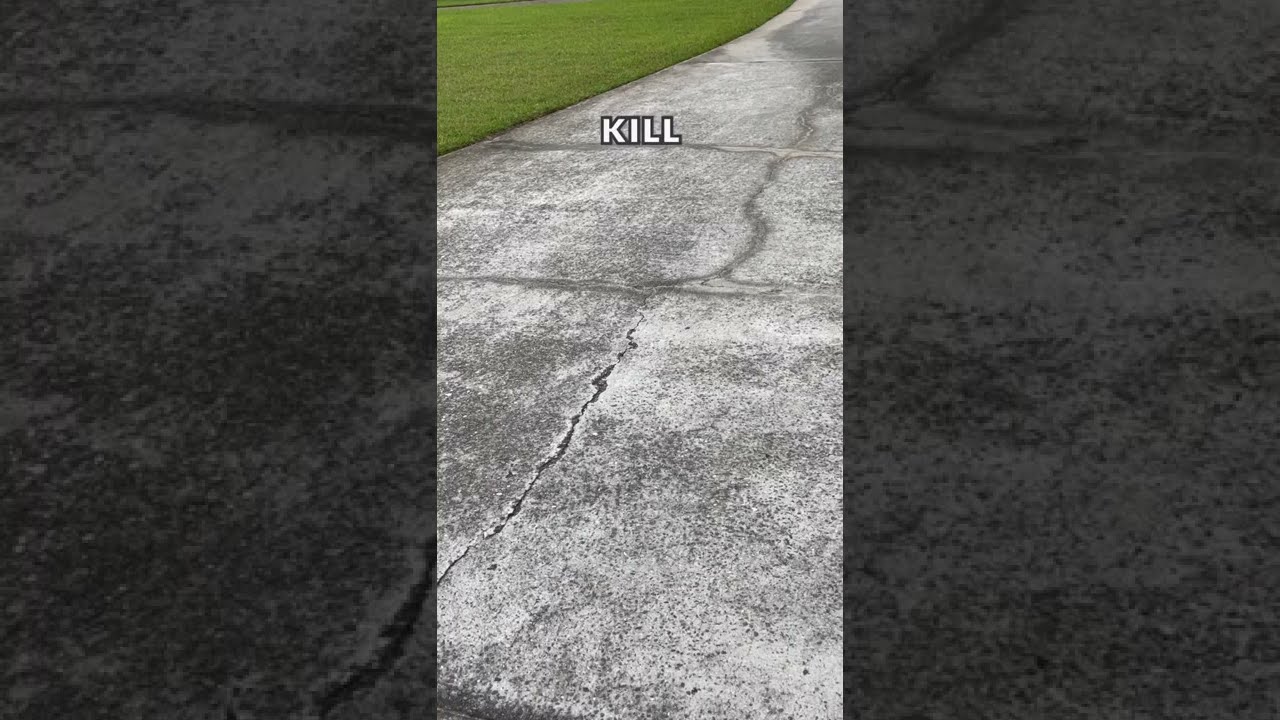
Similarly, scheduling comprehensive driveway cleaning and flat-surface pressure cleaning around paths and patios clears away accumulated oils, salt crusts, and organic matter. High-traffic hardscaping surrounding your home carries substantial grit; as painters work around the perimeter with ladders and drop sheets, unwashed concrete allows dust to blow up against tacky, wet paint. Refreshing paths and driveways creates an immaculate job site and delivers exceptional visual cohesion once the painting is complete.
Post-Washing Inspection and Surface Repairs
Once the exterior has undergone complete house washing and dried thoroughly, the real state of your substrate becomes completely visible. Dirt and mildew often hide significant structural imperfections that must be rectified before applying primer.
- Detecting Failing Paint Layers: Washing removes weakly bonded paint, highlighting exactly where you need to scrape back edges and sand down transitions to achieve a smooth surface.
- Identifying Wood Rot and Splitting: Bare, clean timber makes checking for soft rot around window sills, door frames, and bottom weatherboards straightforward, allowing repairs before sealing them in.
- Revealing Failed Caulking: Clean gaps around window architraves, corner stops, and expansion joints reveal cracked or missing sealant that must be scraped out and replaced with paintable, exterior-grade polyurethane caulk.
- Spotting Masonry Cracks and Efflorescence: Rendered Bayside villas often show fine hairline cracking; once washed clean of salt deposits, these cracks can be filled with flexible elastomeric patching compound.
Environmental and Local Regulations in 2026
Environmental care along the Port Phillip Bay coastline is more critical than ever. In 2026, Environment Protection Authority (EPA) Victoria regulations strictly oversee stormwater runoff, prohibiting the direct discharge of wash water containing harsh chemical additives, paint particles, or heavy detergents into local street drains. Because stormwater from Melbourne Bayside properties flows straight into marine habitats, modern pre-paint washing demands strict compliance.
Responsible exterior cleaners utilize specialized wash-water diversion mats, filtration booms, and drain berms to capture run-off. Furthermore, cleaning solutions used today emphasize plant-based, readily biodegradable surfactants and hospital-grade sanitizers that neutralize salt and kill fungal spores without leaving toxic residues in coastal soils or waterways. Verifying that your contractor utilizes contemporary eco-conscious practices ensures your property preparation complies with environmental legislation while safeguarding local marine ecosystems.
Getting the Best Results for Your Investment
A fresh coat of paint represents a substantial financial and aesthetic investment in your home. Cutting corners on the preparatory phase by skipping a dedicated wash inevitably compromises the finish and cuts the coating's lifespan in half. By commissioning thorough house washing, paired with complementary services like roof cleaning and driveway cleaning, you give your painters the ultimate clean slate.
Removing the invisible layers of sea salt, neutralizing destructive fungal colonies, and stripping away years of coastal grit ensures maximum paint adhesion, vivid color retention, and years of durable protection against Melbourne Bayside's temperamental weather. Take the time to get the surface preparation right, and your home will reward you with lasting beauty and resilience for years into 2027 and beyond.

Bayside Pressure Cleaning Pros
Unit 3/3-5 Arnold St, Cheltenham VIC 3192
ph. (03) 4517 6380